
A Leading Hub for Computational and Systems Neuroscience
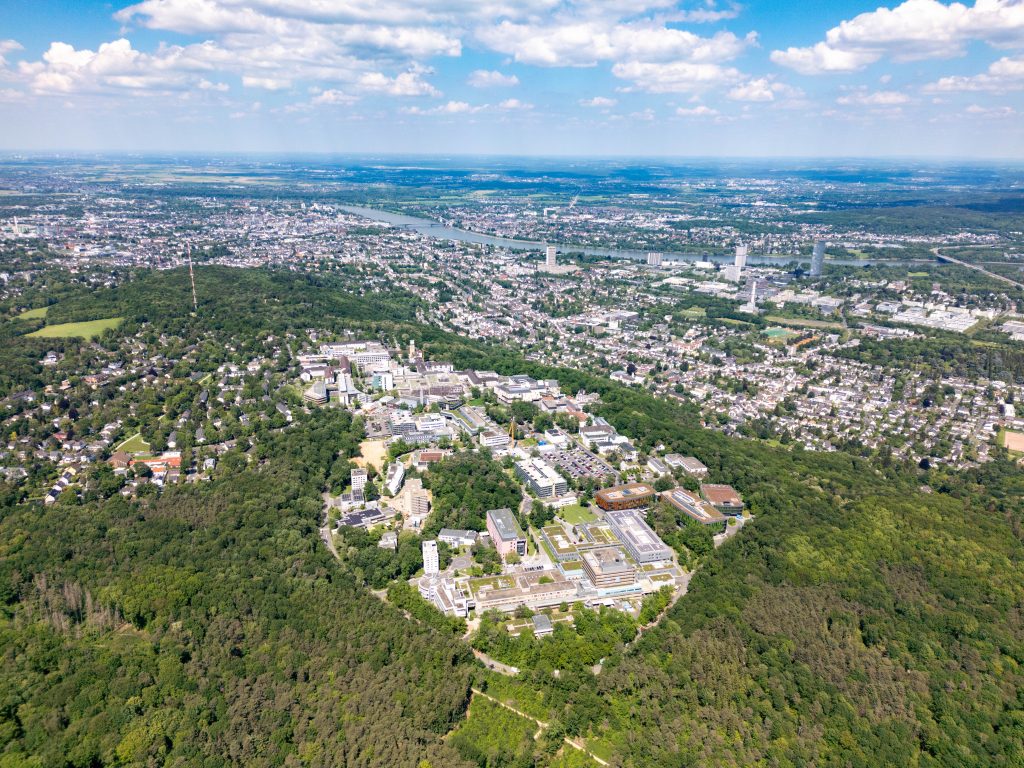
The Bonn–Cologne region is a major center for Computational and Systems Neuroscience in Germany. It currently hosts more than 50 relevant research groups at the Universities of Bonn and Cologne, as well as at leading research institutions such as the German Center for Neurodegenerative Diseases (DZNE) and several Max Planck Institutes. Together, these groups cover a broad spectrum of topics—from theoretical and computational modeling to systems and cognitive neuroscience.
Excellence and Collaboration Across Neuroscience Disciplines
Bonn and Cologne are distinguished by excellent, highly collaborative research across diverse areas of neuroscience. The participating groups possess extensive expertise in neuronal dynamics, information processing, and computational modeling of both the healthy and diseased brain. For example, research addresses disorders such as epilepsy, movement disorders, and anxiety disorders. The research community includes more than ten European Research Council grantees as well as other highly distinguished award recipients.
Research Focuses at the University of Bonn
At the University of Bonn, Tatjana Tchumatchenko and Raoul-Martin Memmesheimer work at the interface of theory and experiment, investigating neuronal network dynamics, synaptic plasticity, and neural coding. The research group led by Michael Sommerauer develops computational behavioral models for clinical applications, with a particular focus on the early detection of Parkinson’s disease. Dominik Bach’s team combines cognitive modeling with experimental approaches to analyze decision-making processes in extreme situations. Björn Krüger’s group specializes in behavioral modeling and the development of wearables (portable sensor systems).

Computational and Experimental Neuroscience in Cologne
In Cologne, Martin Nawrot integrates theoretical and experimental methods to study information processing in the nervous systems of various animal models, while Sacha van Albada focuses on high-performance computing and large-scale modeling of the cerebral cortex.